

Dental Care Tips for Braces-Wearers: Flossing
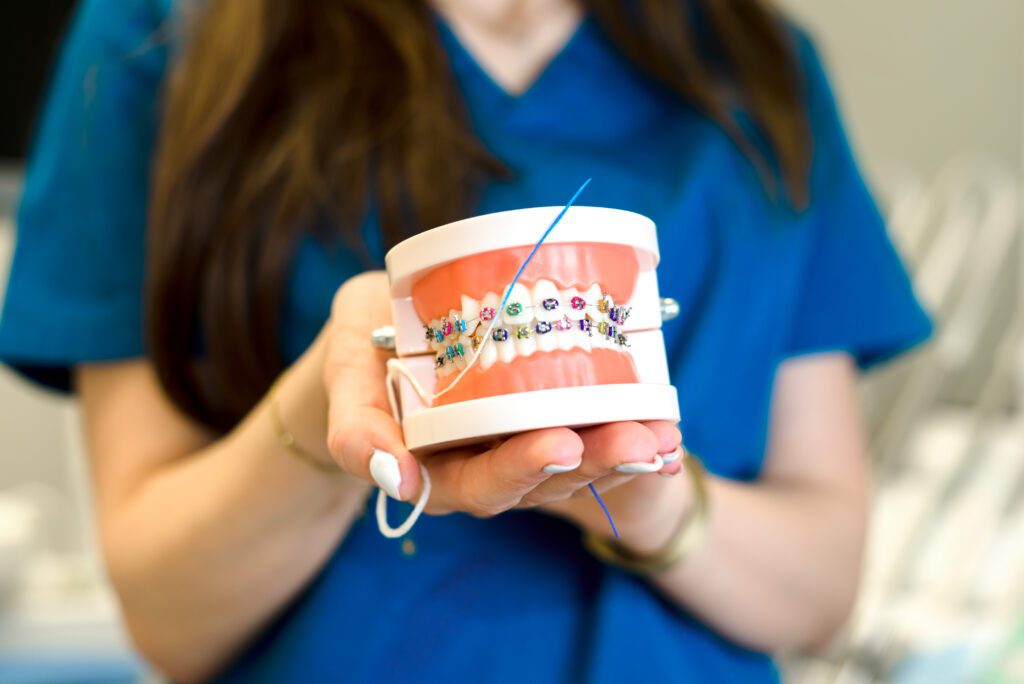
Flossing With Braces: A Complete Guide
Braces are one of the most effective tools we use to create beautiful, healthy smiles, but they do require a little extra effort when it comes to dental care. One of the most common challenges our patients face is keeping their teeth clean while wearing braces, and flossing in particular tends to cause some confusion. The good news is that with the right techniques and tools, flossing with braces is completely manageable. At My Orthodontist in West Orange, we want to set every patient up for success, which is why we put together this complete guide to flossing with braces.
Why Flossing With Braces Matters More Than Ever
When you have braces, food particles and plaque have more places to hide. The brackets and wires create small spaces where debris can accumulate, making it easier for bacteria to build up around your teeth and gums. That is why maintaining a consistent dental care routine is so important during orthodontic treatment. Skipping flossing can lead to swollen gums, decalcification (those white spots that sometimes appear on teeth), and even cavities that could slow down your treatment progress. Flossing is not optional during orthodontic treatment; it is a critical part of protecting your smile.
Flossing Step by Step
Here is a simple, numbered guide to flossing effectively with braces:
- Cut an 18-inch piece of waxed floss. Waxed floss is less likely to snag on your brackets or wires than unwaxed varieties.
- Thread the floss behind the main wire. This is the trickiest part. Use a floss threader to guide the floss under the wire and between two teeth.
- Wrap the ends around your index fingers so you have control over the floss as you work.
- Gently slide the floss up and down along the sides of both teeth, going beneath the gumline on each side.
- Remove the floss carefully and re-thread it behind the wire to move on to the next pair of teeth.
- Repeat for every gap between your teeth. Yes, all of them. We know it takes time, but it is worth it.
- Rinse with water or mouthwash to flush away any loosened debris.
This routine may feel slow at first, but most patients find that it becomes second nature within a few weeks.
Tools That Make It Easier
As orthodontists, we are big believers in making dental care as convenient as possible. Beyond traditional floss, there are several tools that can simplify the flossing process:
- Floss Threaders: These small, plastic needles are designed to pull floss behind your wire quickly and easily. They are inexpensive and widely available at most drugstores.
- Orthodontic Floss: This type of floss comes with a stiff end already attached, eliminating the need for a separate threader. It is a great time-saver for patients on the go.
- Water Flossers: A water flosser (like a Waterpik) uses a pressurized stream of water to flush out debris from between your teeth and around your brackets. While it does not fully replace traditional flossing, it is an excellent supplement to your dental care routine and a favorite among our braces patients.
- Interdental Brushes: These tiny brushes can fit between brackets and wires to remove food particles. They are especially helpful after meals when you need a quick clean but do not have time for a full flossing session.
FAQ: Flossing With Braces
How often should I floss with braces?
We recommend flossing at least once a day, ideally before bedtime. Flossing at night helps ensure that no debris is left sitting against your teeth and gums overnight.
Does flossing with braces hurt?
It should not be painful. Some patients experience mild gum sensitivity when they first start flossing regularly, but that usually goes away as the gums get healthier. If you experience significant pain, let our team know.
Can I use an electric flosser?
Yes. Many electric flossers are compatible with braces and can make your dental care routine easier. Just be gentle around your brackets to avoid dislodging them.
What if I miss a day?
Do not stress about it. Just get back on track as soon as possible. Consistency over time is what matters most.
My floss keeps shredding. What should I do?
Try switching to waxed floss or orthodontic floss, which are designed to hold up better around brackets and wires. If the problem persists, mention it at your next appointment.
Start Your Journey to a Healthier Smile With Us
Flossing with braces is one of the most important habits you can build during your orthodontic treatment. A solid dental care routine not only protects your teeth while your braces do their work, but it also sets you up for long-term oral health. At My Orthodontist in West Orange, we are here to answer your questions, cheer you on, and help you achieve the smile you deserve. Whether you are just getting started with braces or you are midway through treatment, our team is always ready to offer personalized guidance and support.